
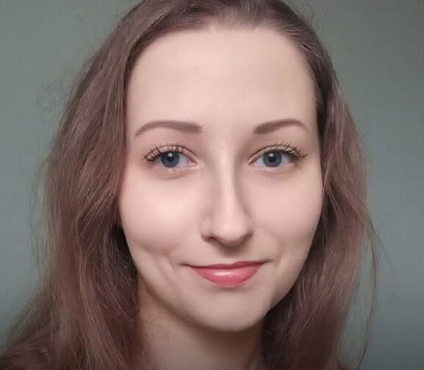
Zoraya ter Beek, a 28-year-old woman from the Netherlands, has announced that she plans to undergo euthanasia next month despite being physically healthy. Her decision has drawn global attention because her eligibility is based on psychiatric suffering rather than terminal physical illness, reigniting debates over ethics, autonomy, and the limits of medical responsibility.
Under Dutch law, euthanasia is permitted when a patient experiences unbearable suffering with no prospect of improvement, provided strict criteria are met. Ter Beek qualifies due to severe, treatment-resistant depression, autism, and borderline personality disorder. She has described years of therapy, medication, and psychiatric care that failed to ease her condition. According to her, the repeated cycle of hope followed by disappointment became part of the suffering itself, leaving her exhausted and without realistic expectations of relief.
Supporters of euthanasia rights argue that mental suffering can be just as debilitating as physical pain and that denying psychiatric patients the right to choose is a form of discrimination. They emphasize that cases like ter Beek’s undergo extensive evaluation and are approved only after multiple medical professionals agree that all legal safeguards have been met. From this perspective, her decision represents personal autonomy and dignity.
Critics strongly disagree. Many mental health experts warn that hopelessness is a symptom of depression and question whether a desire for death can ever be fully autonomous in such cases. Others fear a slippery slope, arguing that allowing euthanasia for psychiatric conditions risks normalizing death as a response to psychological distress rather than investing in better mental health care.
Ter Beek has framed her choice as liberation rather than despair. She plans to spend her final moments at home and has chosen cremation to reduce the burden on her partner. While she admits to fear, she says euthanasia brings her peace after years of suffering.
Her case has not settled the debate, but it has forced a global audience to confront difficult questions about suffering, choice, and where society should draw its most fragile moral lines.