
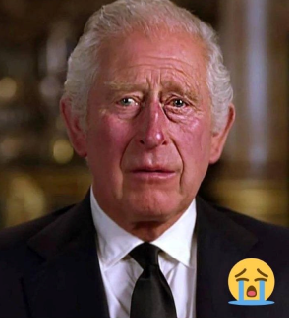
King Charles III has continued to appear in public following his cancer diagnosis, giving an impression of gradual normality and stability. Since Buckingham Palace confirmed in February 2024 that the 75-year-old monarch was undergoing treatment for a form of cancer unrelated to the prostate, official updates have remained calm and measured.
While the Palace has emphasized that the King is responding to medical advice and continuing duties where possible, public interest and concern about his true condition have persisted.
Although King Charles has maintained a visible presence—meeting officials, receiving dignitaries, and attending selected engagements—his workload has been noticeably adjusted. Overseas travel has been reduced, and some ceremonial responsibilities have been delegated to senior royals. Prince William, as Prince of Wales, has taken on an expanded role, a move widely seen as prudent long-term planning rather than an indication of immediate constitutional concern.

Speculation has also focused on Operation Menai Bridge, the formal funeral plan for King Charles III. However, such plans are standard practice for senior royals and are continuously maintained regardless of health. Similar arrangements existed for Queen Elizabeth II decades before her death. Experts stress that the existence or routine updating of these protocols does not signal a worsening condition, and Buckingham Palace has given no indication that the plan has been activated beyond normal preparedness.
Cancer treatment, particularly at an advanced age, often requires adjustments to daily routines, including rest and reduced schedules. Friends and associates have described the King as determined and deeply committed to duty, even while acknowledging the physical demands of treatment. Constitutionally, the United Kingdom remains well prepared for any scenario, with Counsellors of State, senior royals, and established legal frameworks ensuring continuity and stability.
Ultimately, verified information points to a monarch who is receiving treatment, adapting his role responsibly, and supported by a resilient institution. While speculation and dramatic headlines continue, there is no confirmed evidence that the Palace has misled the public. Instead, the situation reflects a careful balance between transparency, medical privacy, and constitutional stability—reinforcing that the monarchy is designed to endure beyond any single individual.