
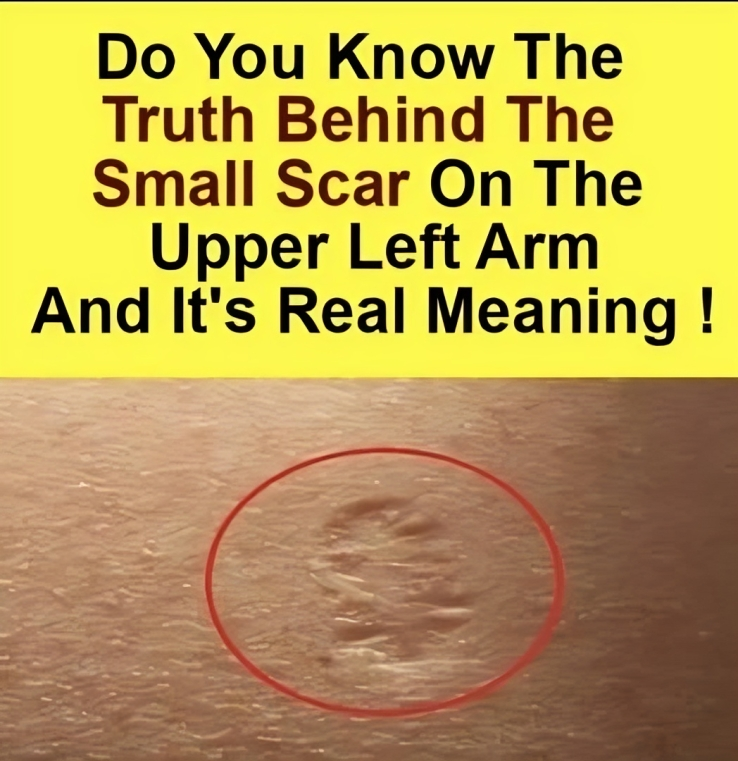
One vivid memory from childhood stayed quietly tucked away for years: a strange, circular scar high on my mother’s arm. It wasn’t a simple mark but a patterned indentation, with a central spot surrounded by tiny impressions. As a child, I didn’t know what it meant—only that it fascinated me. Over time, like many childhood curiosities, the memory faded into the background of life.
What Brought That Forgotten Memory Back Years Later?
Decades later, while helping an elderly woman off a train, I noticed the exact same scar in the same place on her arm. The recognition was instant and powerful. Unable to ask her about it, I later called my mother, who reminded me that I had once been told its meaning. The scar, she explained, was from the smallpox vaccine—a routine part of childhood for her generation.
Why Was Smallpox One of History’s Most Feared Diseases?
Smallpox was once a deadly viral disease that caused high fever, painful rashes, and often death. According to the CDC, about 30% of those infected during 20th-century outbreaks did not survive, and many who did were left permanently scarred. For centuries, families lived in fear of outbreaks, with no cure and limited protection, making smallpox one of the most devastating diseases humanity ever faced.
How Did the Smallpox Vaccine Change the World?
The development of the smallpox vaccine marked a turning point in medical history. First introduced by Edward Jenner in the late 1700s, widespread vaccination campaigns eventually eliminated smallpox in the United States by 1952. In 1980, the World Health Organization declared smallpox eradicated worldwide—the first human disease ever completely wiped out through vaccination.
Why Did the Smallpox Vaccine Leave a Distinctive Scar?
Unlike modern vaccines, the smallpox vaccine was applied using a bifurcated needle that made several small punctures in the skin. This method caused a localized infection that formed a blister, then a scab, and finally a permanent scar. That circular mark became visible proof of immunity, serving as a lifelong medical record in an era before digital health systems.
What Does That Scar Mean Today?
What once seemed like a simple childhood curiosity now feels like a living piece of history. The smallpox scar represents survival, scientific progress, and collective responsibility. It reminds us how vaccines have saved millions of lives and continue to protect communities today. In remembering that scar, there’s comfort in knowing it stands not for fear—but for triumph, resilience, and the quiet power of human cooperation.