
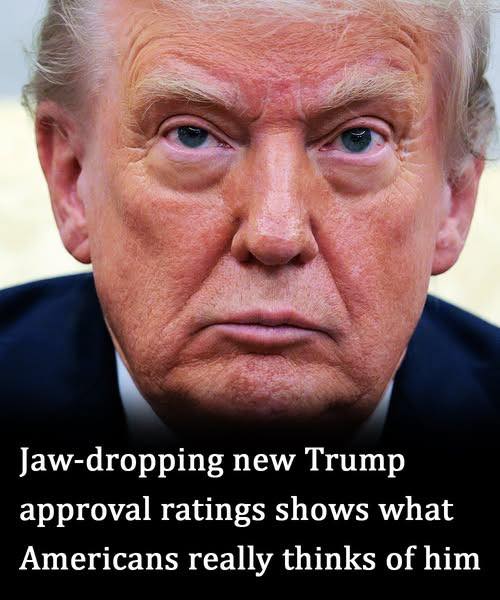
Since the beginning of his second term in early 2025, President Donald Trump’s approval ratings have reflected a sharply divided nation.
Early national polls showed his overall job approval hovering in the mid-40 percent range, with disapproval slightly higher, indicating a cautious and polarized electorate rather than unified support or rejection. While some voters remained open to his leadership, others were already skeptical amid rapid policy changes and political tension.
One of the defining features of Trump’s second term has been his aggressive tariff strategy. The imposition of steep tariffs on steel and aluminum, followed by retaliatory measures from key trading partners, quickly became a focal point of public criticism. Across multiple reputable polls, a clear majority of Americans disapproved of tariff increases, viewing them as harmful to the U.S. economy rather than beneficial to domestic manufacturing.
Economic concerns have emerged as one of Trump’s weakest areas in public opinion. Surveys throughout 2025 showed that more Americans disapproved than approved of his handling of the economy, a notable shift given that economic confidence was once a core strength of his presidency. Inflation and rising prices were frequently linked to tariffs, with many voters expressing fear that trade policies were increasing the cost of everyday goods.
Inflation anxiety has been especially influential in shaping attitudes. Large majorities in several polls believed tariffs would raise consumer prices and strain household budgets. For many voters, these immediate cost-of-living pressures outweighed potential long-term arguments about economic protectionism or job growth, contributing to declining confidence in Trump’s economic management.
Overall approval trends reveal deep and persistent polarization. By mid-2025, Trump’s approval generally remained in the low-to-mid 40 percent range, with disapproval consistently higher. Partisan divides were stark: Republicans largely supported his policies and leadership style, Democrats overwhelmingly opposed them, and independents tended to lean negative—particularly on trade and economic issues.
Issue-specific polling shows a mixed picture. Immigration remains one of Trump’s stronger areas, with around half of respondents approving of his border and enforcement policies in some surveys. In contrast, tariffs, economic management, and federal spending cuts regularly drew majority disapproval, underscoring where his presidency faces the most resistance.
In context, Trump’s second-term popularity reflects resilience within his political base but limited appeal beyond it. While supporters praise his assertive approach and fulfillment of campaign promises, widespread concern about tariffs, inflation, and economic uncertainty continues to weigh on his approval ratings. As these issues evolve, public opinion is likely to remain fluid, shaped by how voters balance immediate economic realities against longer-term policy goals.