
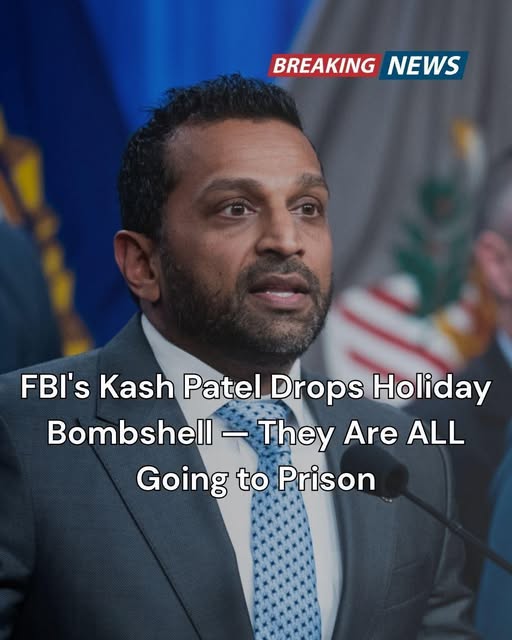
In late 2025, two contrasting law-enforcement operations in the United States highlighted the layered nature of public safety.
One was a highly visible criminal sweep in Illinois known as Operation Safe Christmas, while the other was a largely undisclosed counterterrorism investigation that disrupted an alleged New Year’s Eve bomb plot spanning California and Louisiana. Together, they show how both public and covert actions play critical roles in preventing harm.
Operation Safe Christmas took place in mid-December and involved coordinated efforts by federal, state, and local agencies across Illinois. Over one week, authorities arrested 63 suspects on charges ranging from drug trafficking to violent crime, seized narcotics and cash, and executed warrants across multiple counties and even out of state. Officials framed the operation as a proactive move to reduce crime and reassure communities ahead of the holidays.
The operation gained attention because of its scale, timing, and transparency. By publicly announcing the arrests and seizures, law enforcement aimed to deter criminal activity and demonstrate cooperation among agencies. Such sweeps fit into broader federal strategies focused on removing high-risk offenders and disrupting drug networks, even as public debates continue over enforcement priorities and policing methods.
At the same time, a much quieter but higher-stakes investigation was unfolding. Federal authorities disrupted an alleged extremist plot involving plans to deploy improvised explosive devices in Southern California on New Year’s Eve. Prosecutors charged several individuals linked to a radical anti-government group, alleging they had gathered materials and begun preparations for coordinated attacks.
According to court filings, the alleged plot targeted public locations and ICE personnel, giving it both violent and ideological dimensions. Arrests were made in the Mojave Desert and later in Louisiana, underscoring the multi-state scope of the investigation. Federal officials relied on intelligence gathering, informants, and surveillance to intervene before the devices were completed, emphasizing that suspects remain presumed innocent under the law.
The contrast between these two cases illustrates how law enforcement balances visibility and discretion. High-profile operations like Operation Safe Christmas are often publicized to reassure communities, while counterterrorism cases are kept quiet until threats are neutralized to protect intelligence sources and prevent panic. The level of publicity does not necessarily reflect the seriousness of the threat.
Ultimately, both operations serve the same goal: protecting public safety. Visible crime-reduction efforts help address everyday violence, while unseen counterterrorism work can prevent mass-casualty events before they occur. Together, they remind the public that much of the work keeping communities safe happens beyond headlines, through coordination, strategy, and timely intervention.