
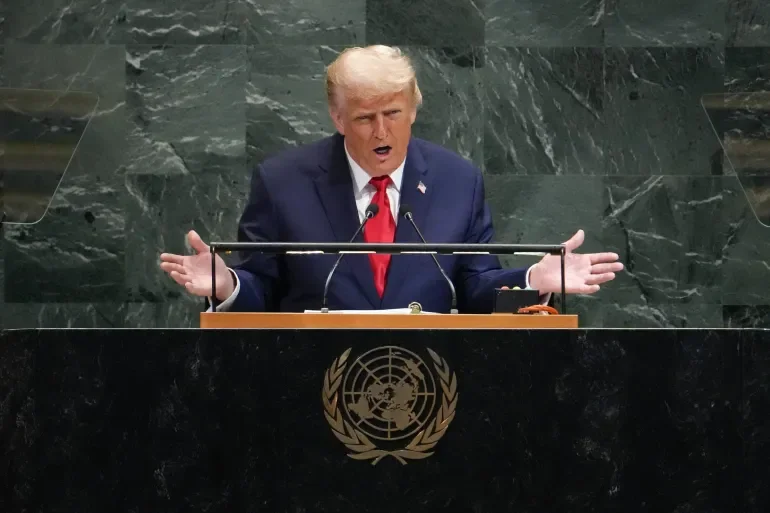
In a major shift in U.S. foreign policy, President Donald Trump has announced that the United States will withdraw from dozens of international and United Nations–affiliated organizations.
According to a White House memo, the administration plans to end or significantly reduce participation in 31 UN bodies and 35 non-UN international organizations, marking one of the largest pullbacks from global institutions in modern U.S. history. The move aligns with the administration’s broader “America First” agenda, which prioritizes national sovereignty, domestic investment, and selective international engagement.

The administration argues that many of the affected organizations promote agendas it views as misaligned with U.S. interests, including what officials describe as globalist policies, ideological programs, and costly climate mandates. By withdrawing funding and participation, the White House says taxpayer dollars can be redirected toward domestic priorities such as infrastructure, healthcare, and economic growth. Among the most notable organizations impacted are UN Women, the UN Population Fund (UNFPA), and several climate-focused agencies, all of which have historically received significant U.S. support.
Supporters of the decision say the move gives the United States greater flexibility in trade, energy, and environmental policy, allowing the country to pursue bilateral agreements instead of multilateral commitments. They argue that disengagement reduces bureaucratic constraints and protects U.S. economic competitiveness, particularly in areas like energy production and industrial growth. The administration also emphasizes that some withdrawals will occur only “to the extent permitted by law,” acknowledging that certain commitments require congressional approval.
Critics, however, warn that the withdrawals could reduce U.S. influence on the global stage. For decades, American participation in international organizations has allowed the U.S. to shape global standards on trade, human rights, humanitarian aid, and climate policy. Analysts caution that stepping back may create opportunities for other nations to fill leadership roles, potentially shifting international norms in ways less favorable to U.S. interests. Humanitarian groups have also expressed concern about the potential impact on refugee assistance, public health programs, and development initiatives worldwide.
Looking ahead, the long-term effects of this policy shift will unfold over time. While the administration frames the move as a reaffirmation of sovereignty and fiscal responsibility, it also signals a new model of global engagement—one focused on selective partnerships rather than broad multilateral involvement. As implementation continues, future adjustments and targeted re-engagement remain possible, ensuring that the United States can balance domestic priorities with strategic international cooperation where it matters most.