
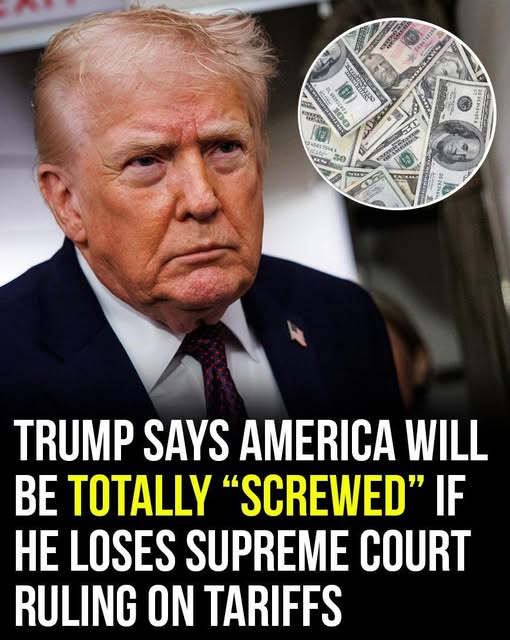
President Donald Trump has issued a serious warning as the Supreme Court of the United States considers a legal challenge to his sweeping tariff policy.
Trump cautioned that striking down the tariffs could leave the country in what he described as a “complete mess,” underscoring how central these trade measures have become to his economic agenda. Since beginning his second term, Trump has relied heavily on tariffs as a way to address long-standing trade imbalances, protect American manufacturing, and strengthen national economic security.
According to Trump, tariffs are more than a bargaining tool—they are a foundation of his broader strategy to reshape global trade. He argues that they encourage companies to bring production back to the United States, pressure foreign governments to negotiate fairer trade terms, and generate revenue for the federal government. In recent statements, Trump has even suggested that tariff revenue could be used to provide direct financial relief to Americans, a claim that has heightened public interest in the Supreme Court’s eventual ruling.
At the heart of the legal dispute is whether the president has the authority to impose broad tariffs without direct approval from Congress. The administration has relied on the International Emergency Economic Powers Act, arguing that long-term trade deficits pose a threat to national security. However, lower courts have ruled that this use of emergency powers goes beyond what the law intended, setting the stage for Supreme Court review. For now, the tariffs remain in place, but uncertainty continues to affect businesses, investors, and consumers.
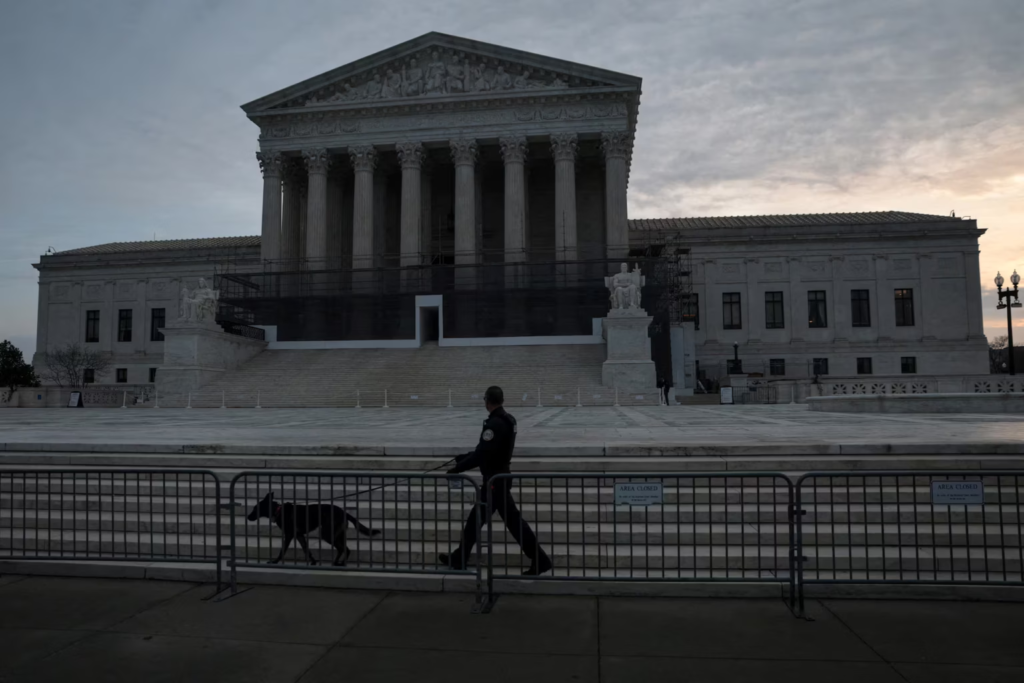
Trump has warned that overturning the tariffs could have significant financial consequences. He claims the government might be required to refund large sums already collected and could face additional claims from companies that invested in new factories and supply chains because of the policy. Beyond the financial impact, the case also raises important questions about presidential authority. A ruling against the administration could limit how future presidents respond quickly to economic challenges without congressional involvement.
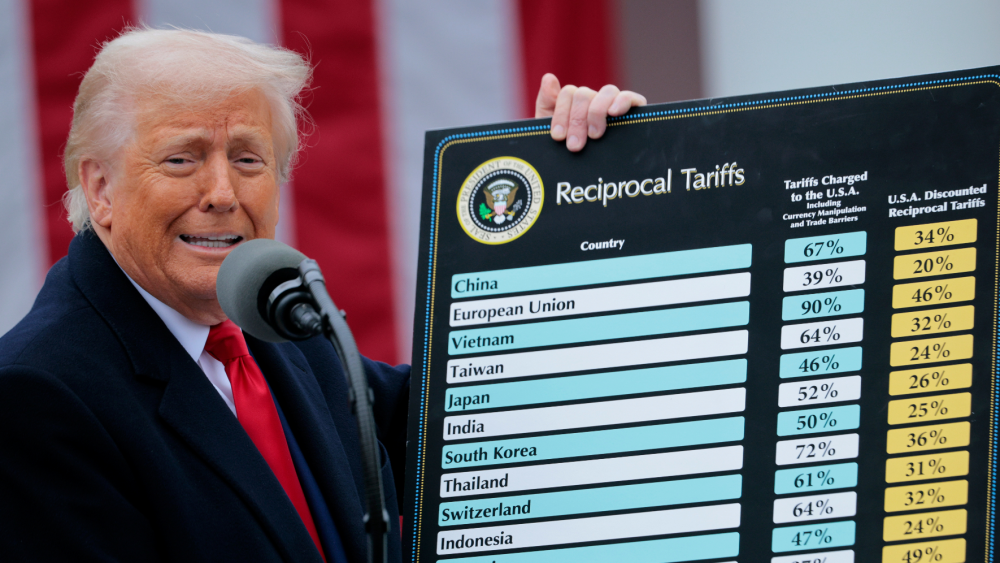
As the nation awaits the Supreme Court’s decision, the situation represents a defining moment for U.S. trade policy and the balance of power in government. Supporters see the tariffs as a strong defense of American interests, while critics worry about higher prices and expanded executive power. Regardless of the outcome, the ruling will provide long-needed clarity. For readers following this issue, the key takeaway is simple: the decision will shape not only trade policy, but also how economic authority is exercised in the years ahead.